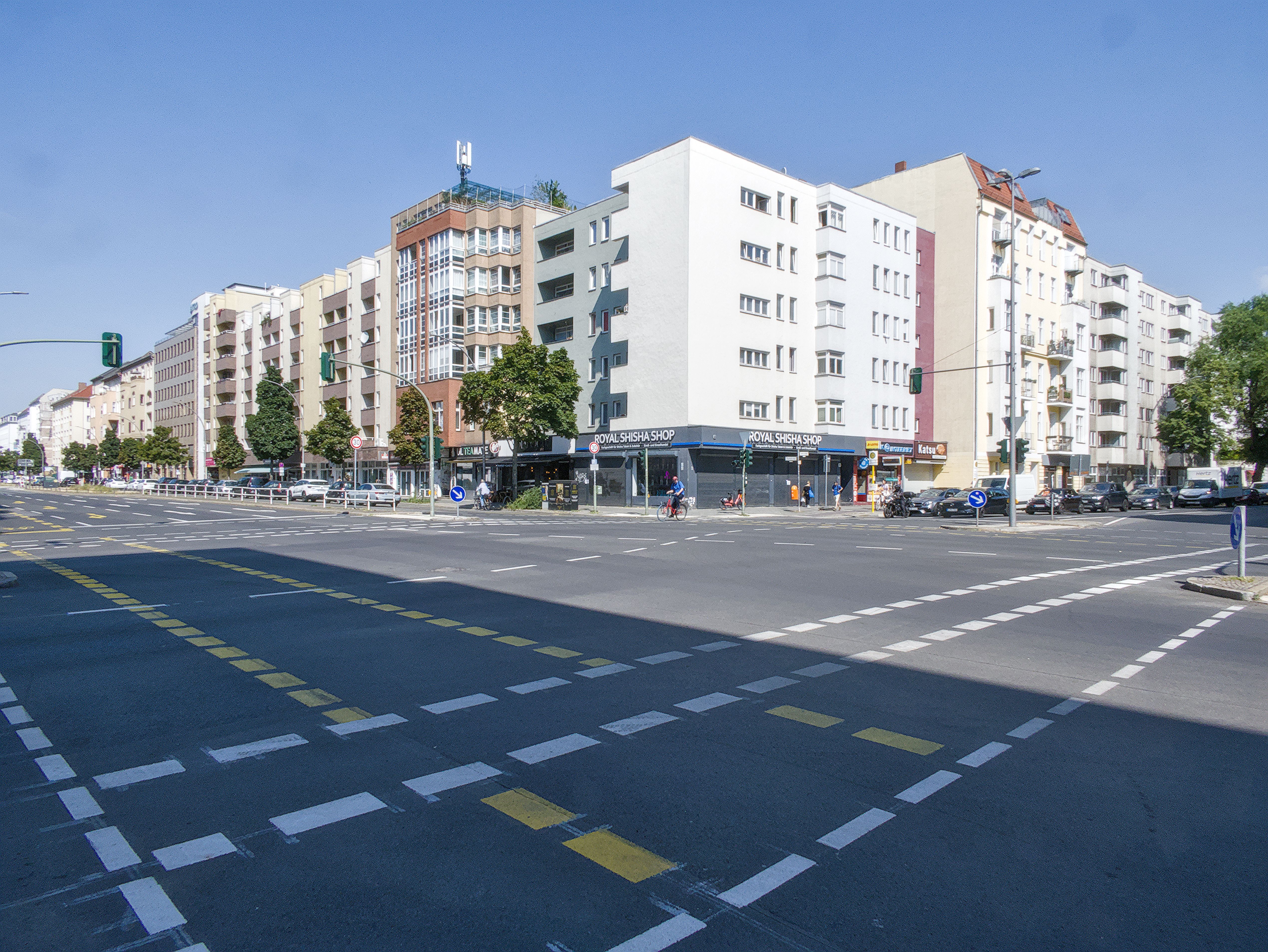
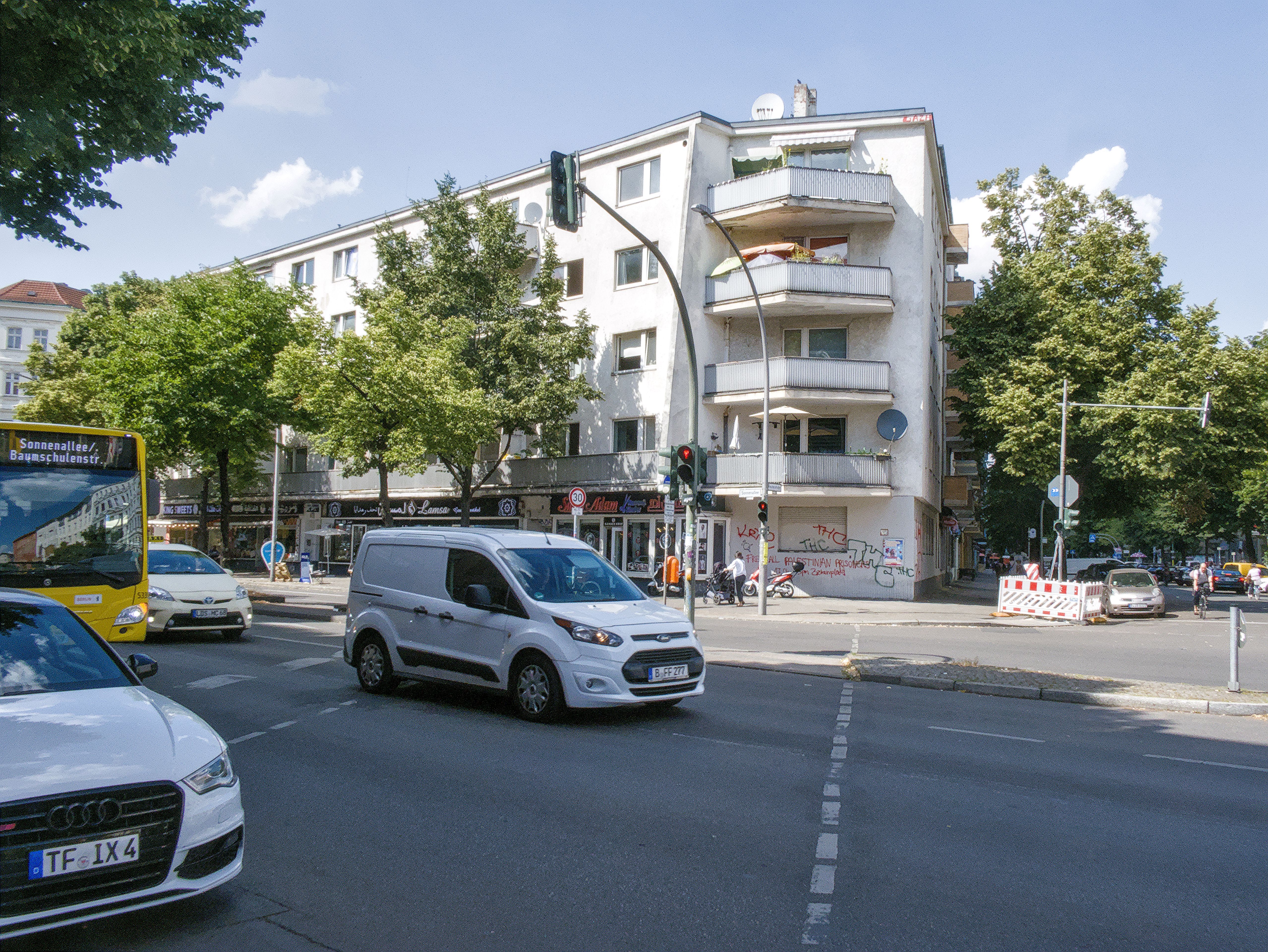
"The eroticism of the city is the teaching which we can derive from the infinitely metaphorical nature of urban discourse. I am using this word eroticism in its broadest sense: it would be absurd to identify the eroticism of a city merely with the neighborhood reserved for such pleasures, for the concept of the place of pleasure is one of the stubbornest mystifications of urban functionalism; it is a functional and not a semantic notion; I am using eroticism or sociality here without differentiation. The city, essentially and semantically, is the site of our encounter with the other, and it is for this reason that the center is the gathering point of any city; the center-city is instituted above all by the young, the adolescent. When the latter express their image of the city, they always tend to limit, to concentrate, to condense the center; the center-city is experienced as the exchange-site of social activities and I should almost say of erotic activities in the broad sense of the term. Still better, the center-city is always experienced as the space in which certain subversive forces act and are encountered, forces of rupture, ludic forces. Play is a theme which is very often underlined in the investigations of the center."[2]
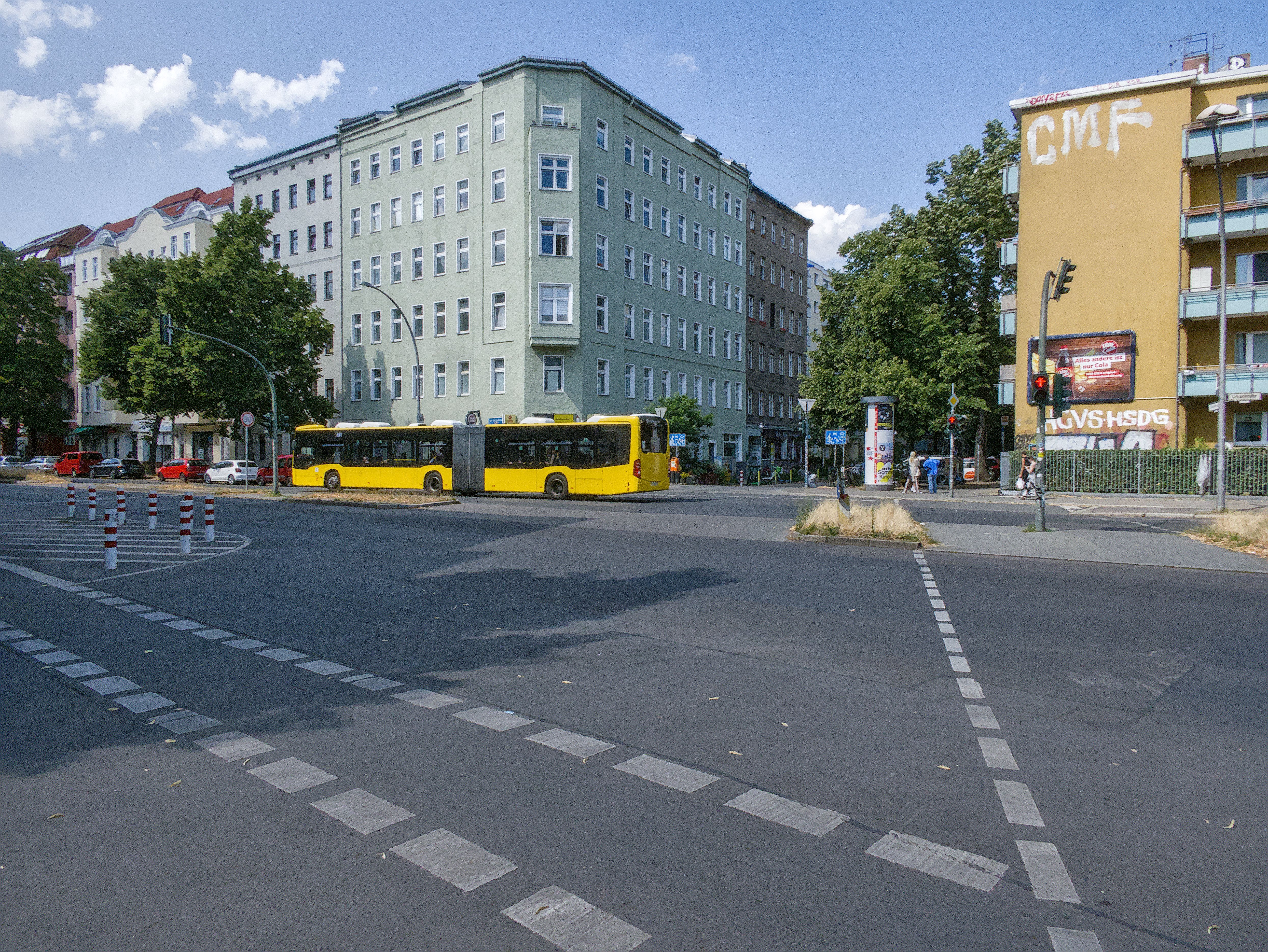
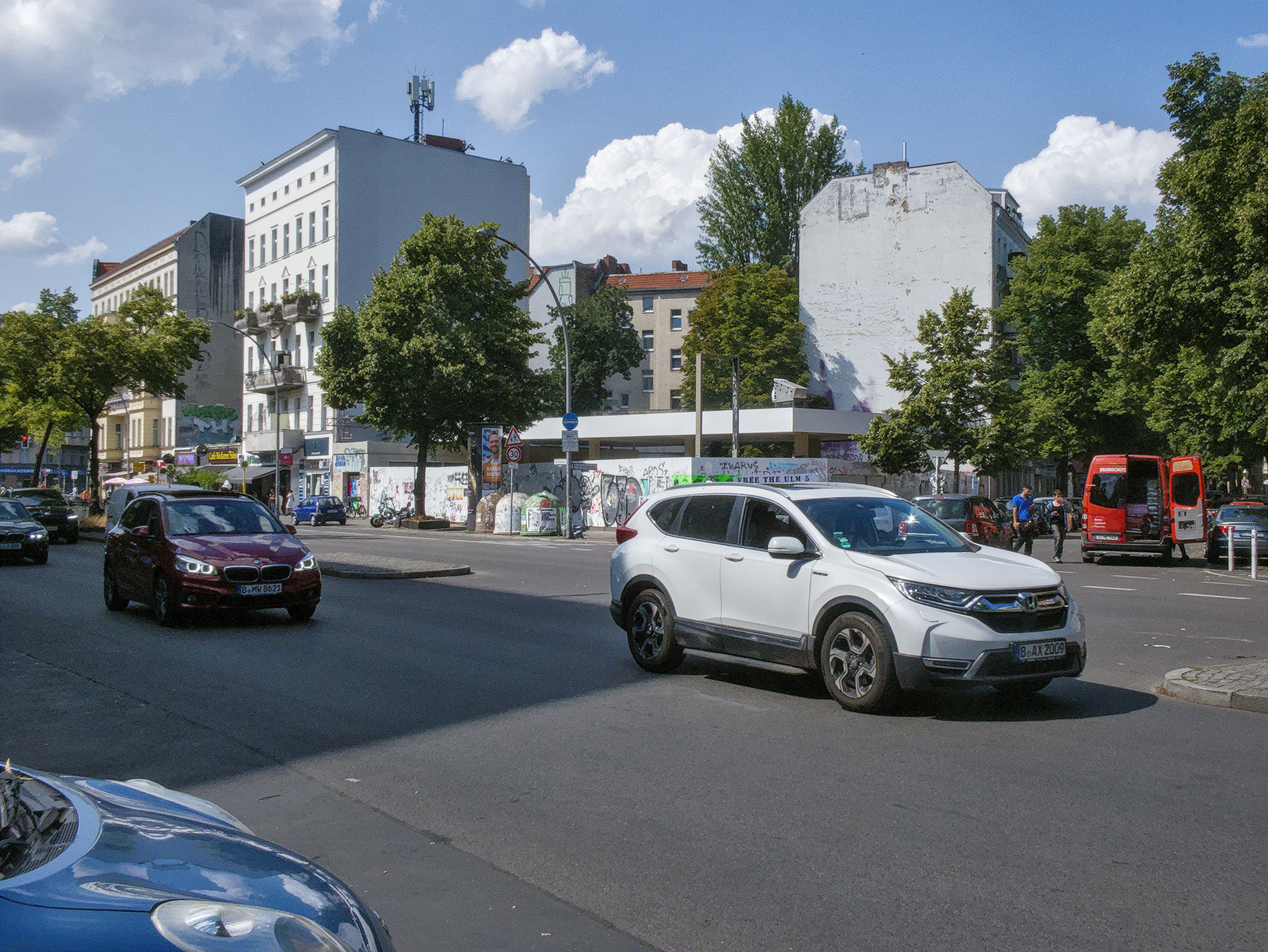
"On the contrary, everything which is not the center is precisely what is not ludic space, everything which is not alterity: family, residence, identity. Naturally, especially in terms of the city, we would have to investigate the metaphorical chain, the chain which substitutes for Eros. We must especially investigate, among the major categories, other great habits of humanity, for example food and shopping, which are actually erotic activities in a consumer society."[3]
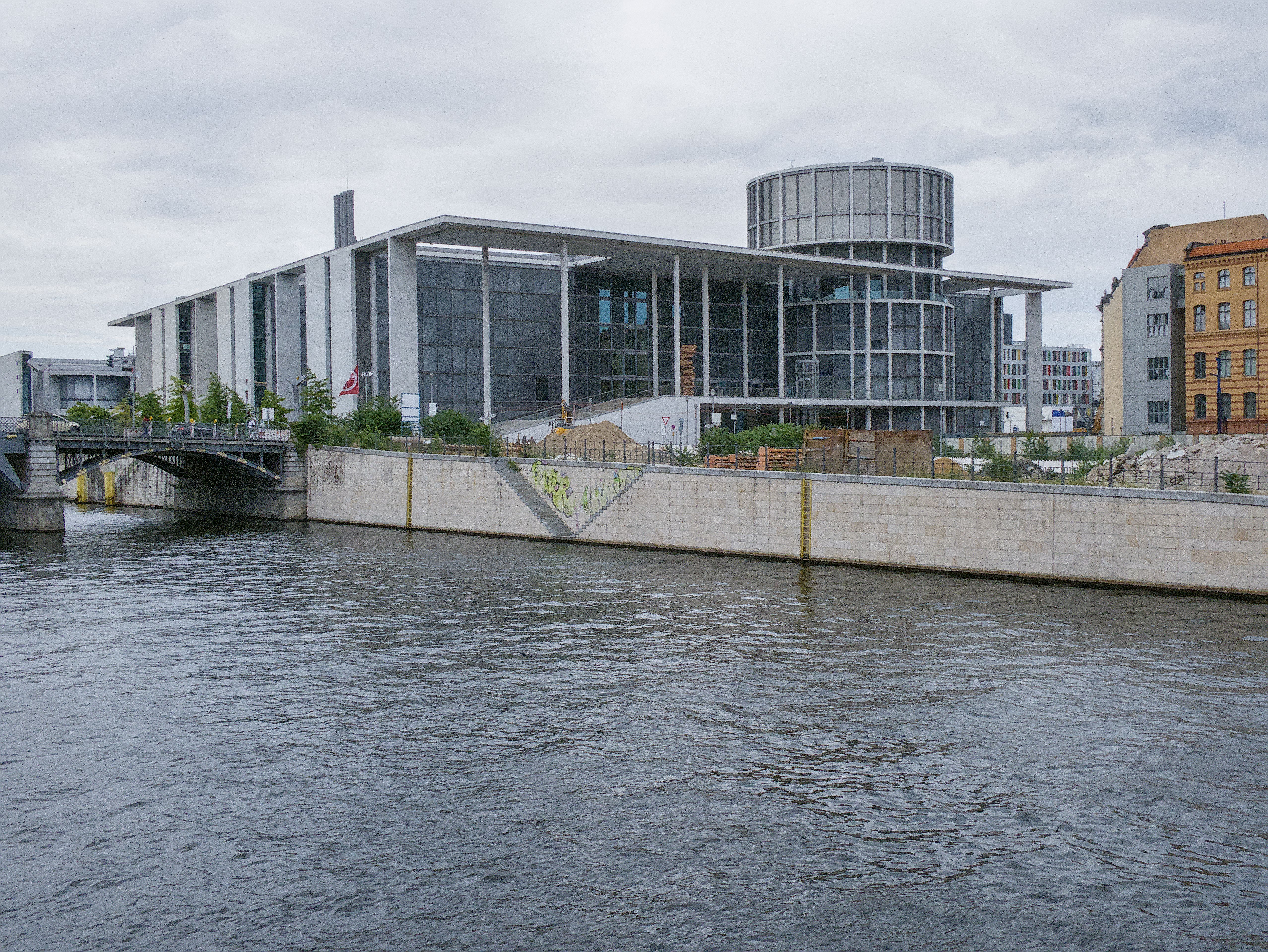
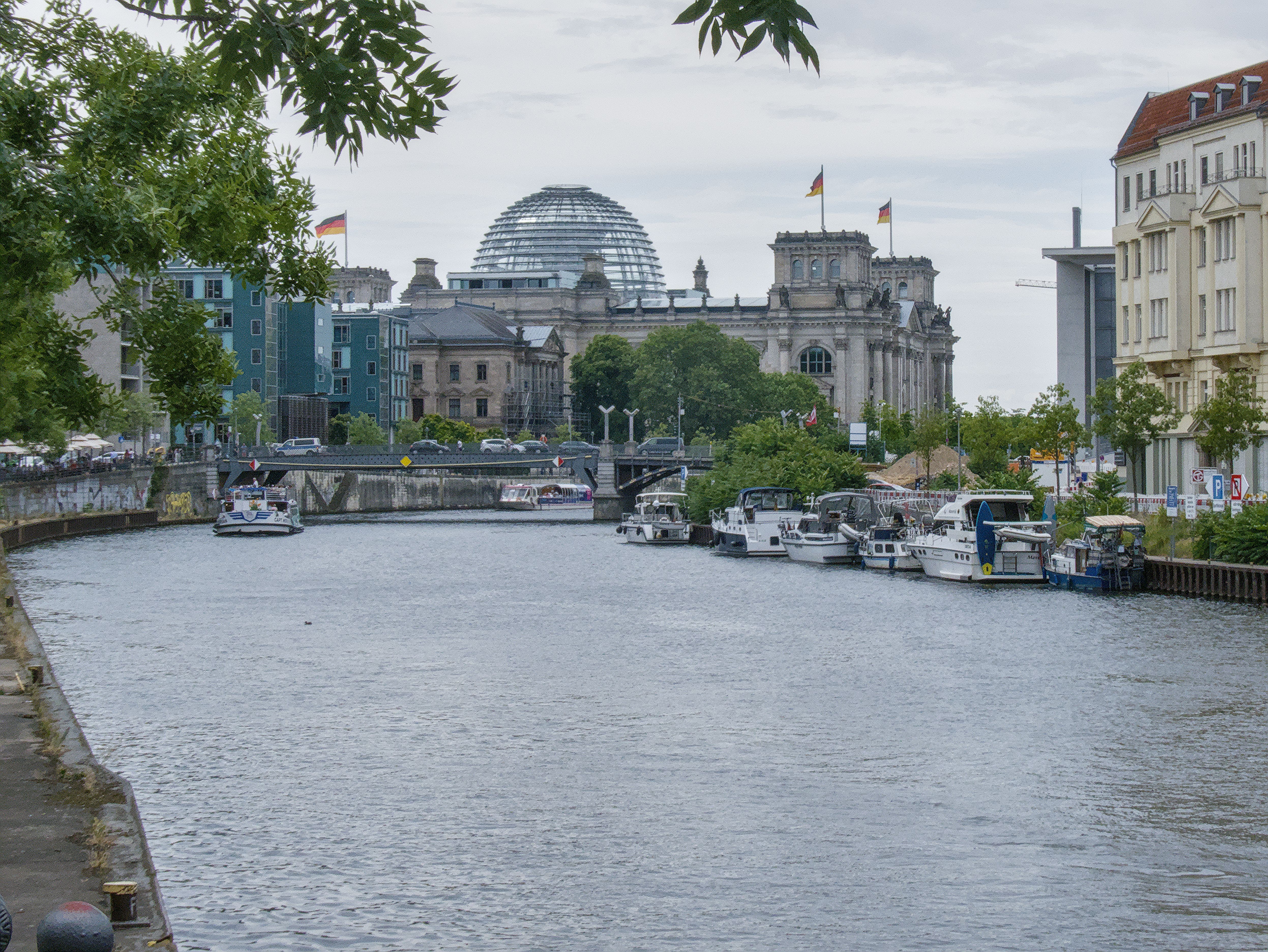
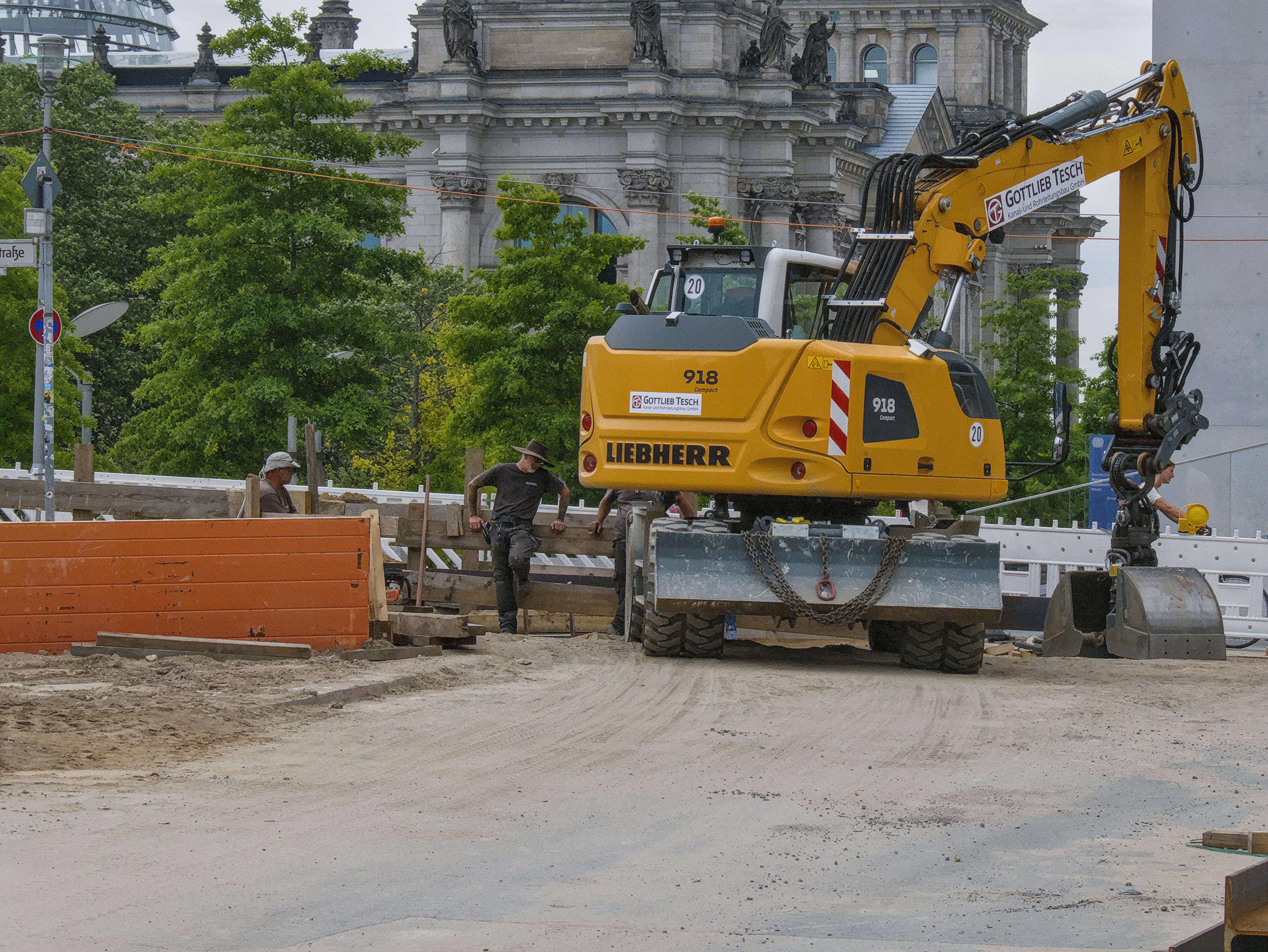
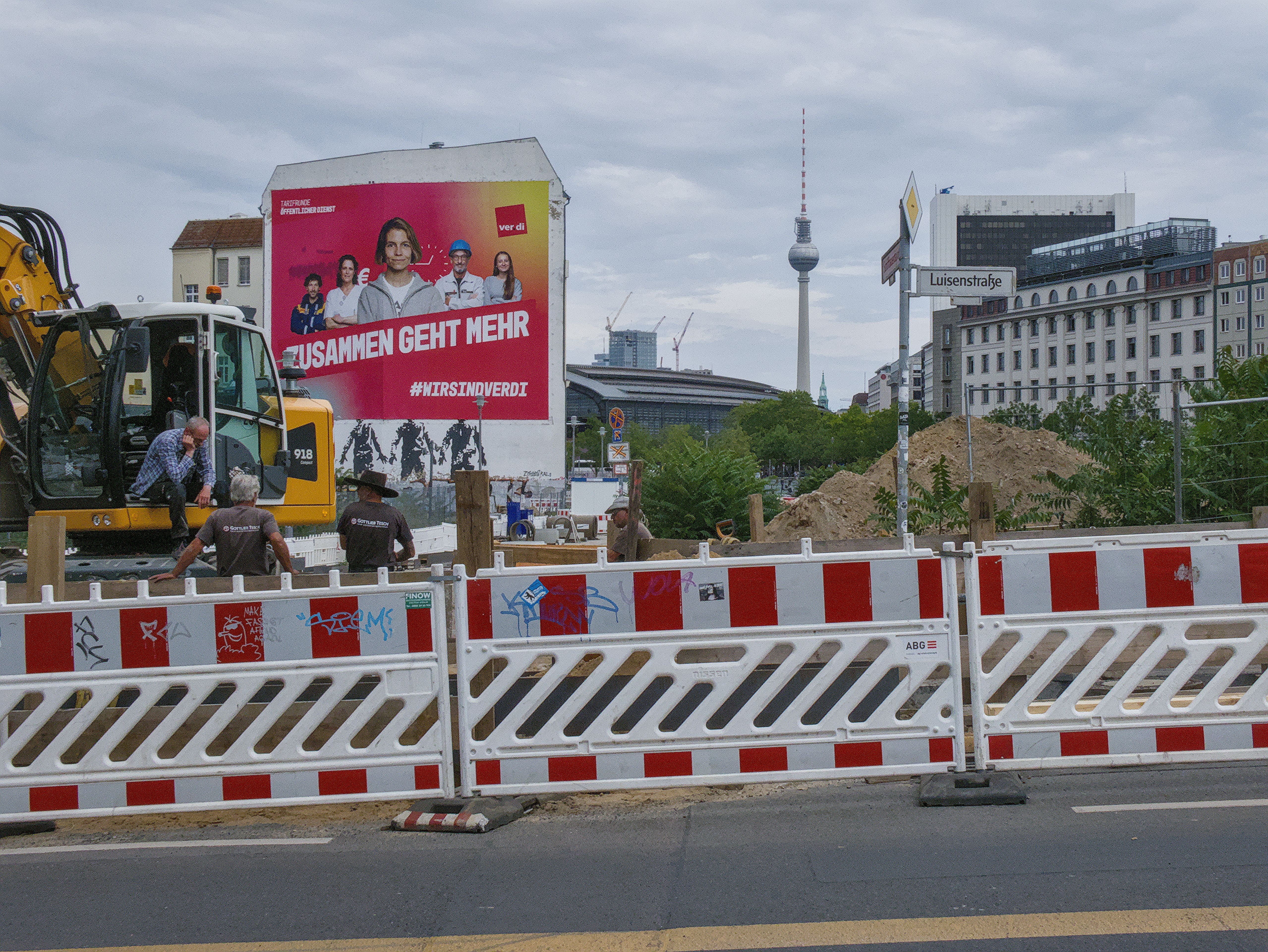
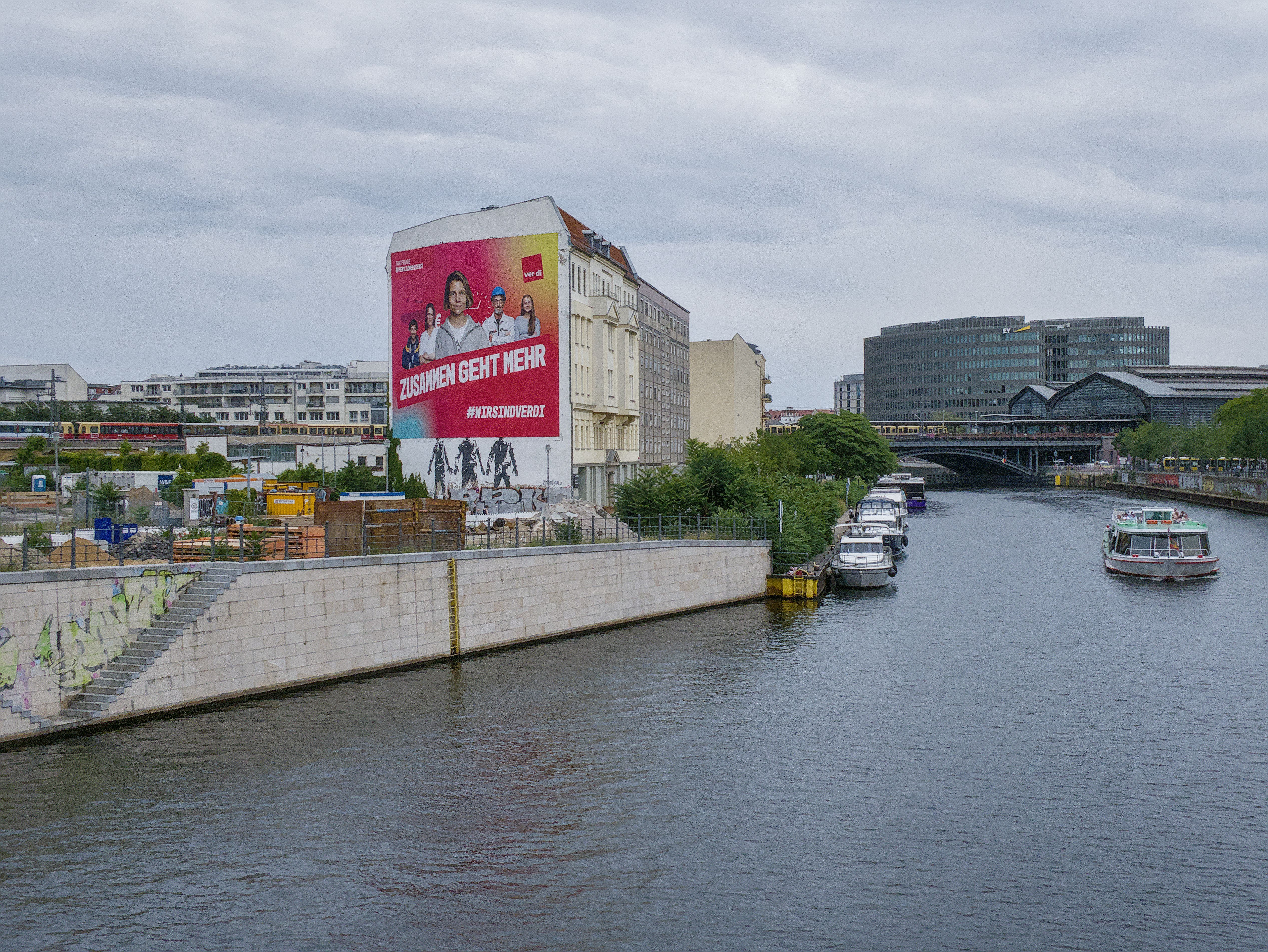
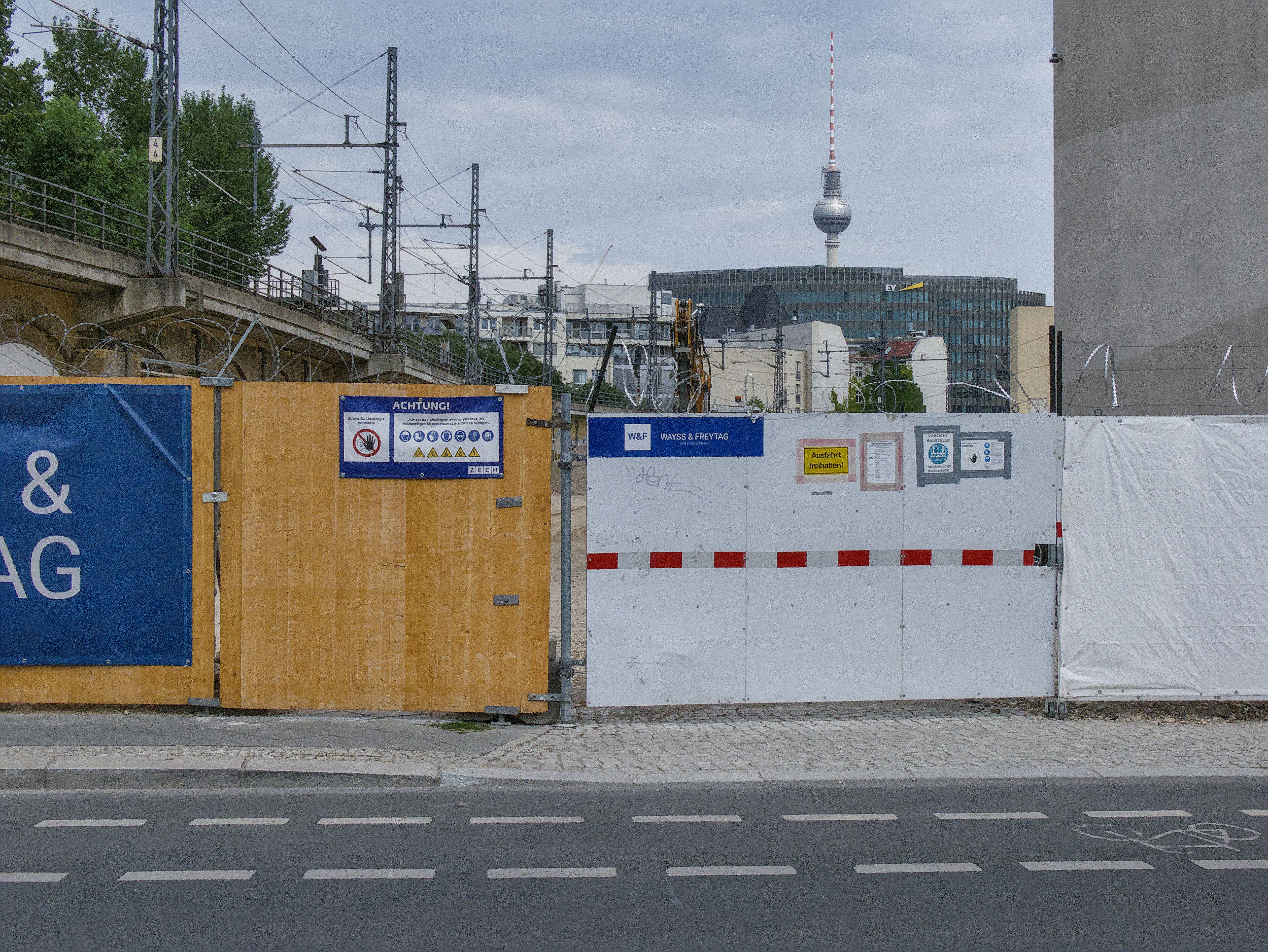
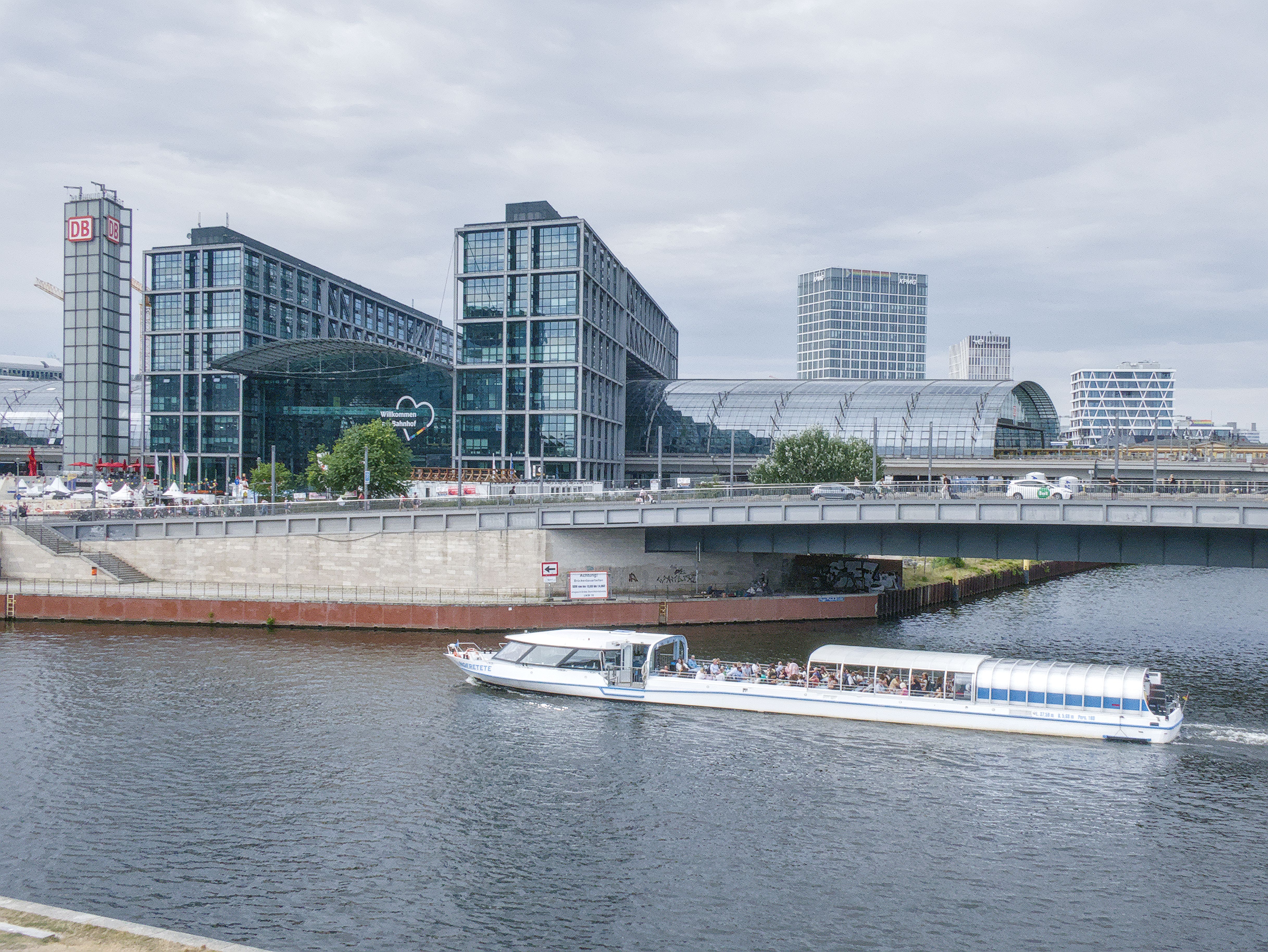
"[...] the great railway stations which are the points of reference of the main neighborhoods are also great department stores. And it is certain that the [...] station-as-shop [...] has a unique signification and that this signification is erotic: purchase or encounter. Then we would have to explore the deep images of the urban elements. For example, many investigations have emphasized the imaginary function of the watercourse which, in any city, is experienced as a river, a canal, a body of water. There is a relation between the road and the watercourse, and we know that the cities which offer most resistance to signification, and which moreover often present difficulties of adaptation for their inhabitants, are precisely the cities lacking water, the cities without seaside, without a body of water, without a lake, without a river, without a watercourse; all these cities offer difficulties of life, of legibility."[4]
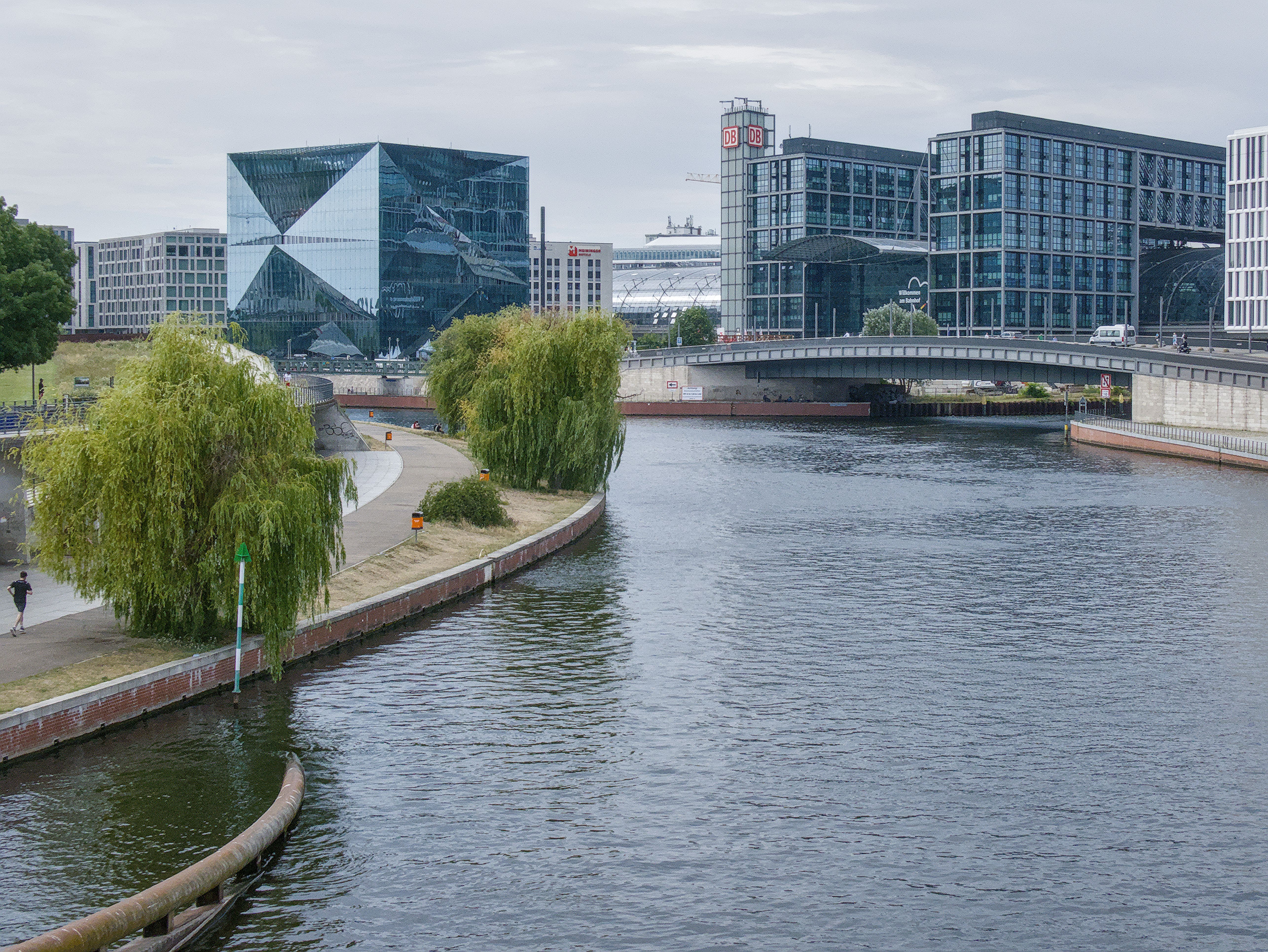
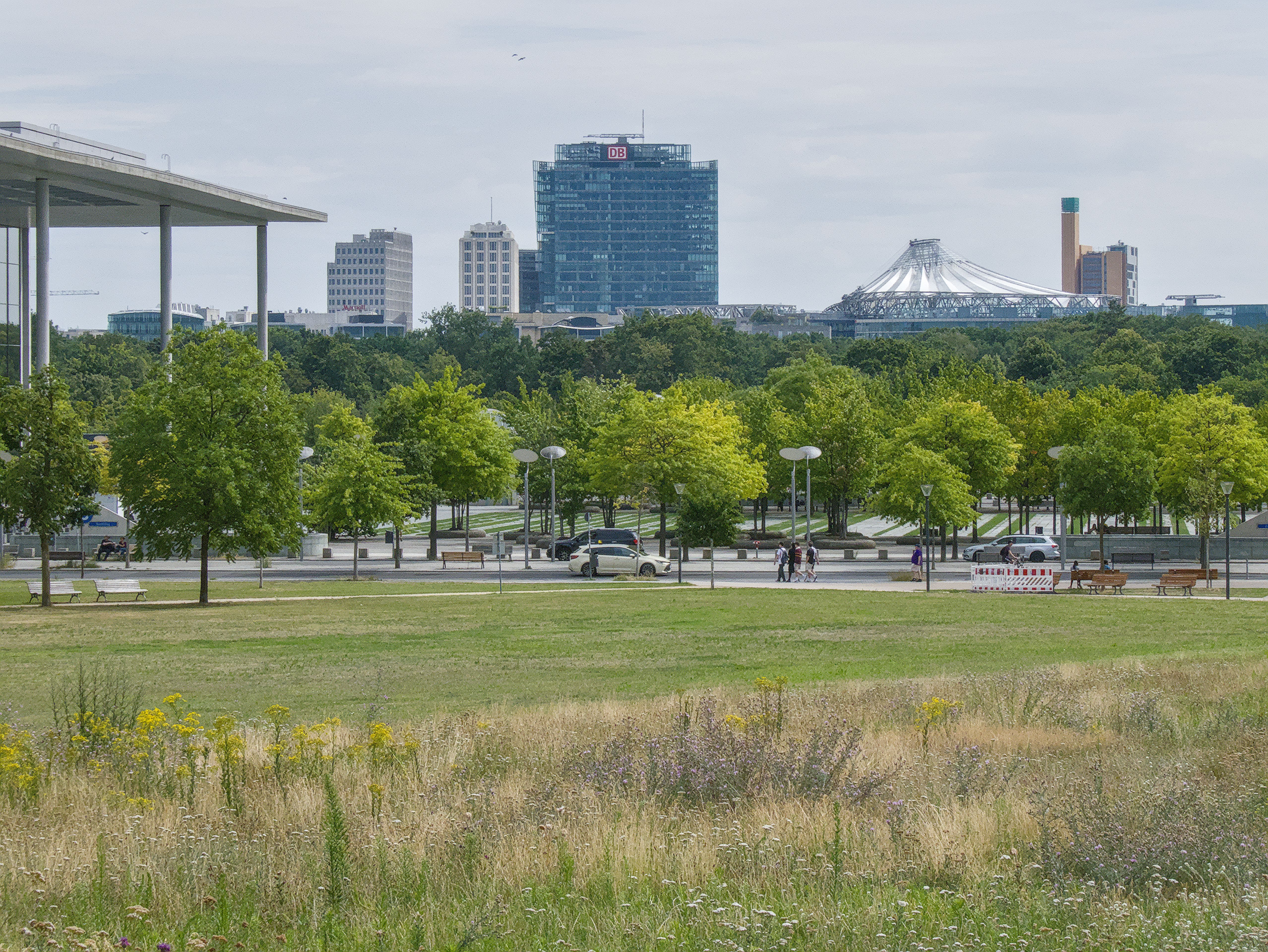
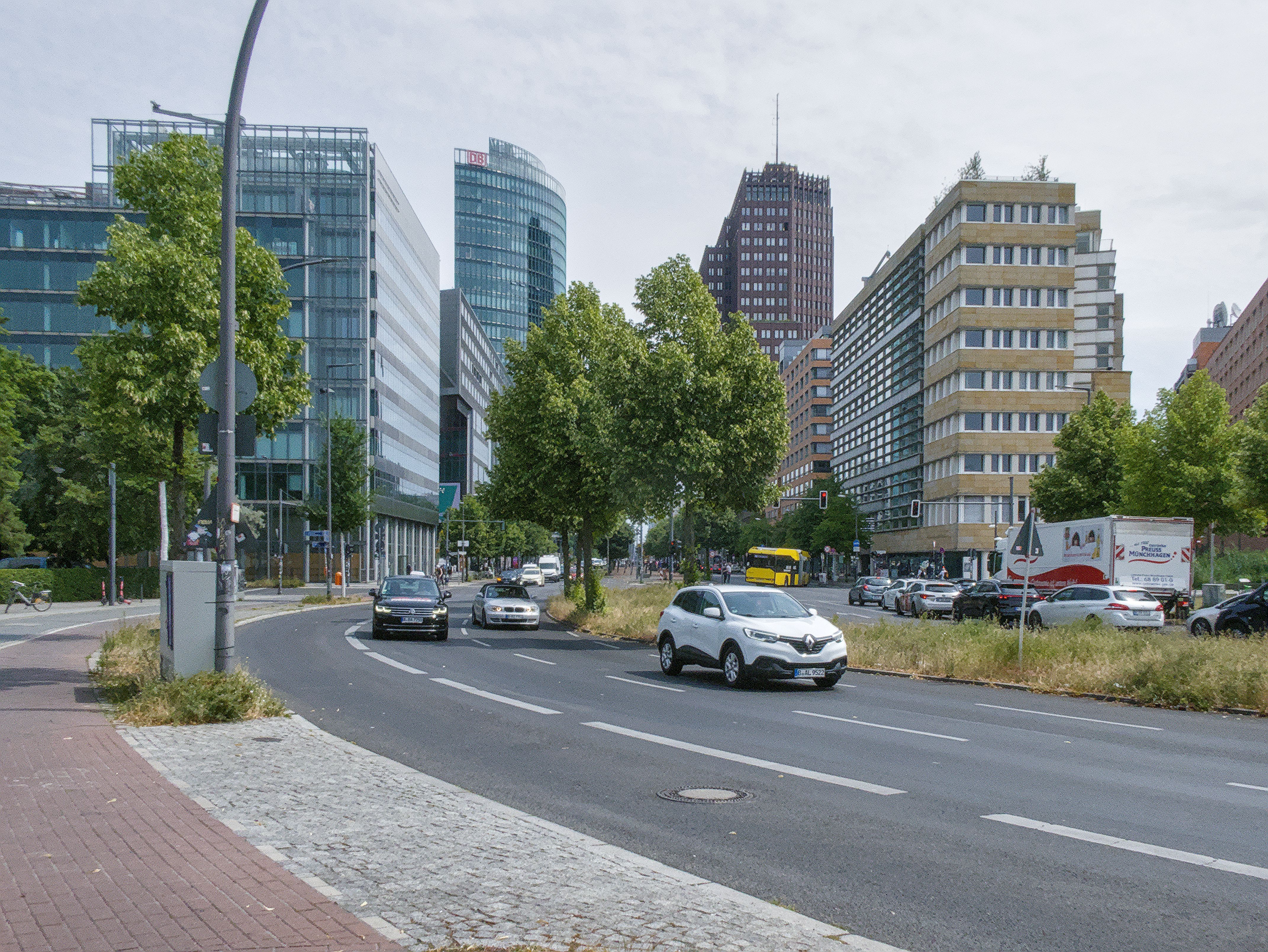
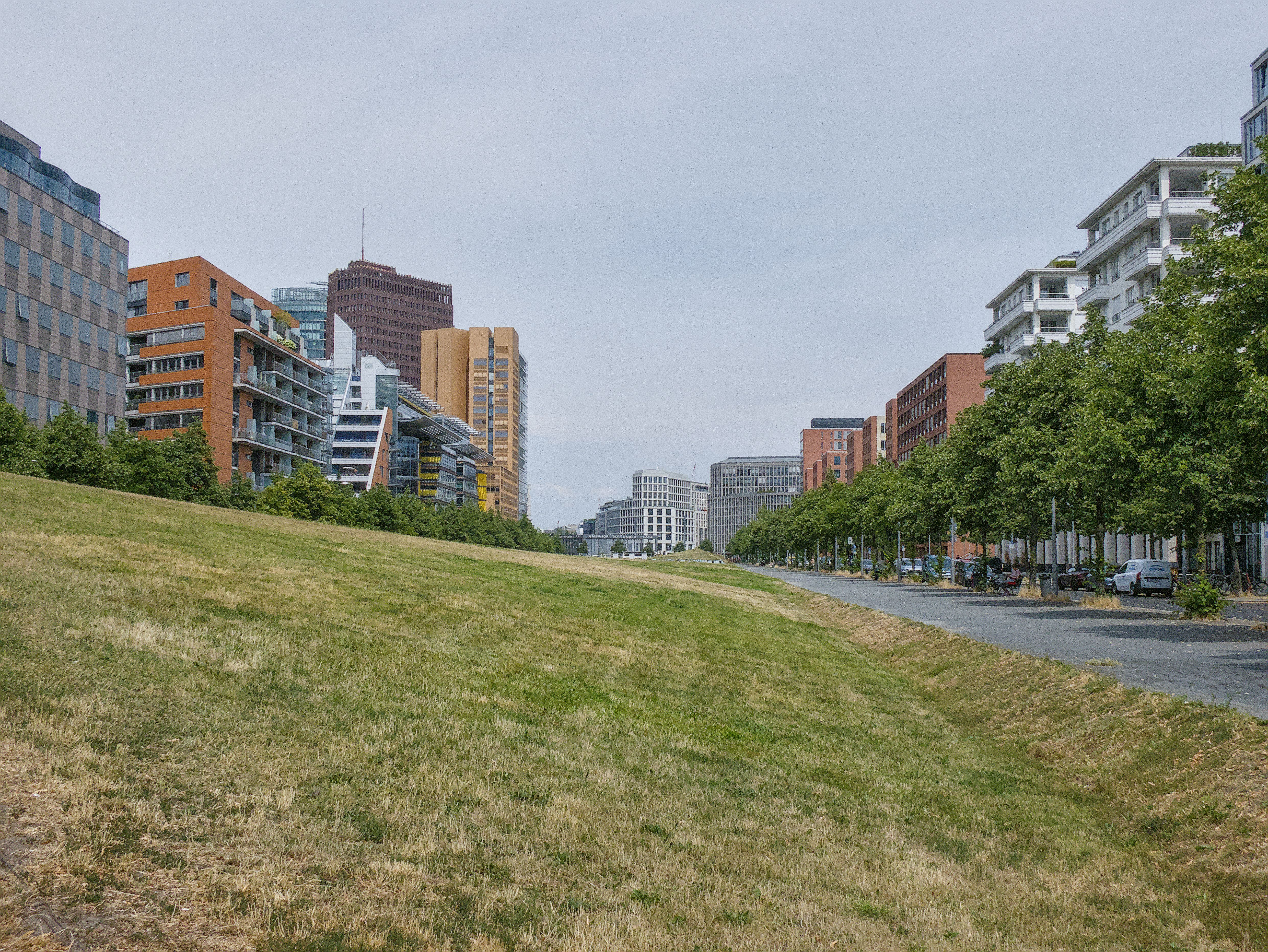
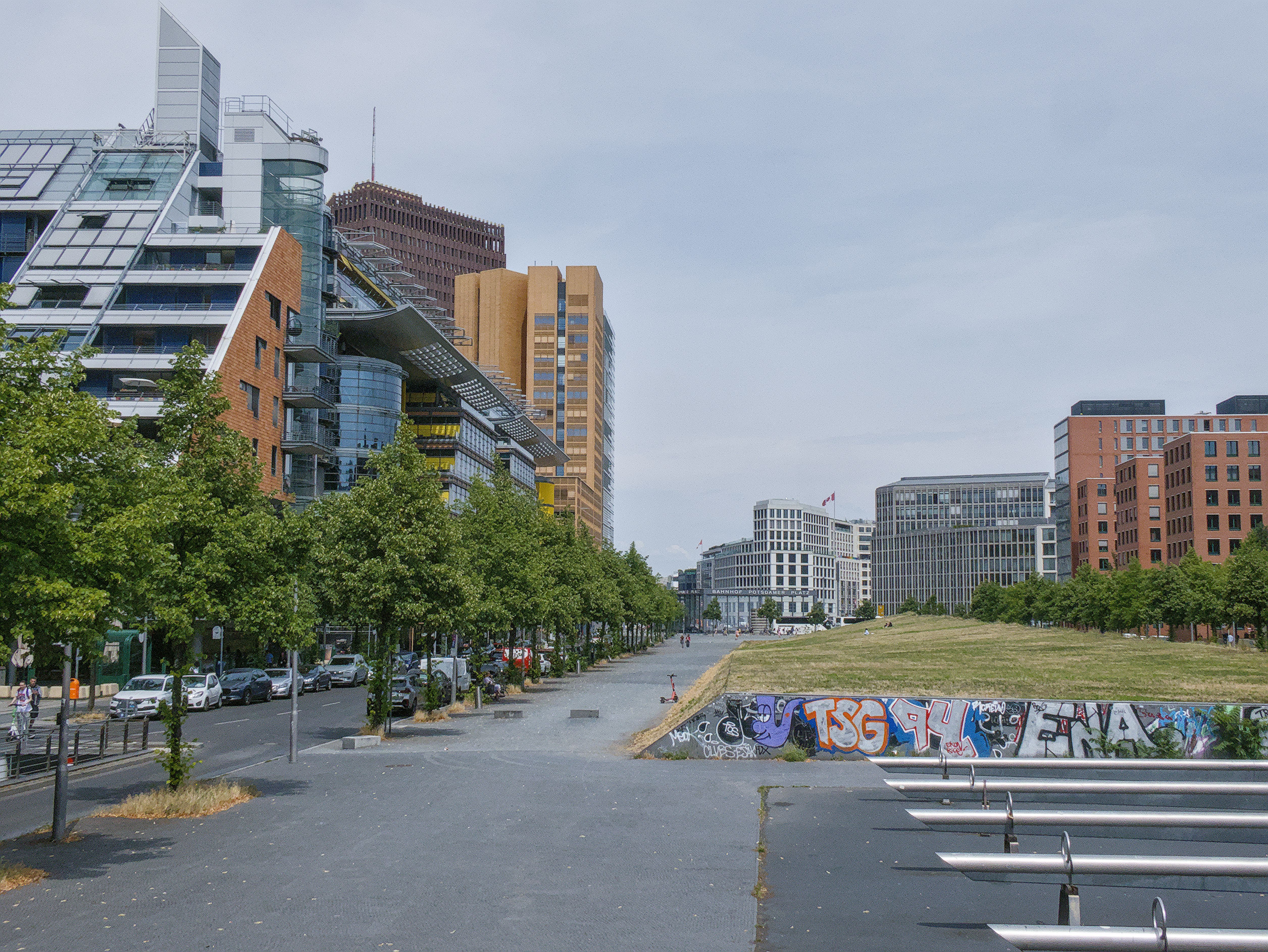
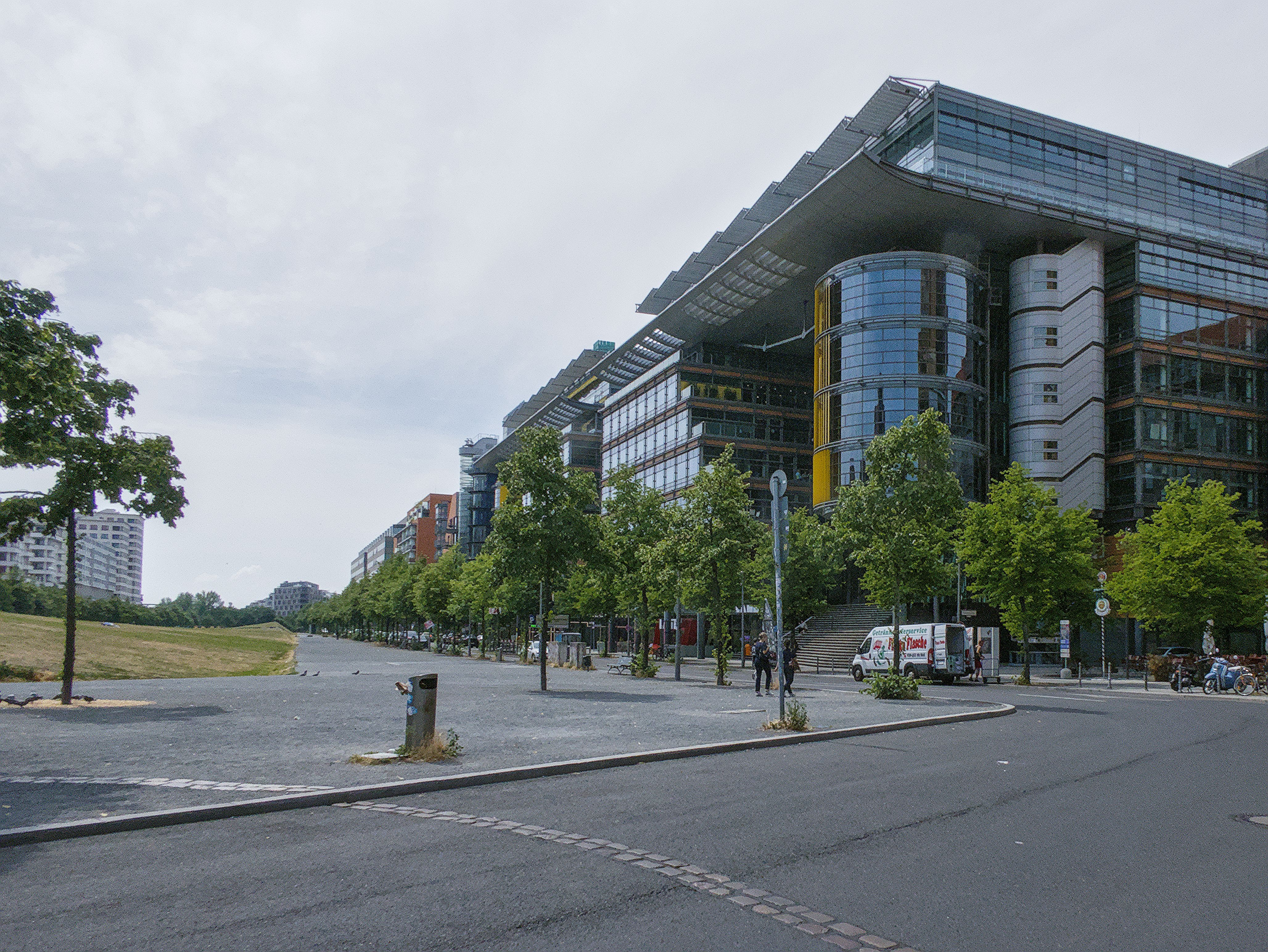
"Zugegeben, die prämierte Arbeit von Hilmer und Sattler gibt sich bescheiden und zurückhaltend aus; eine gewisse Blutleere haftet ihr an. Hier wurde weder das Video bemüht, eine Spray-Aktion gestartet, noch bunte Folien geklebt. Der Entwurf wurde entsprechend seiner Aussage dargeboten; ein praktikabler, in sich schlüssiger Rahmenplan, der den einzelnen, nun folgenden Realisierungswettbewerben so weit es geht Freiheiten läßt, nicht mehr und nicht weniger."[5]
"Michelangelo stelde aan de beeldhouwkunst een even schokkende als angstaanjagende eis die min of meer alsvolgt luidt: ‘Een mooi beeldhouwwerk moet van de top van een berg af kunnen rollen zonder ook maar iets van belang kwijt te raken.’ (…) Naar mijn idee wordt in deze wet vooral gesteld dat in grote werken (in de beeldhouwkunst, maar vooral in de architectuur) het ‘monument’ vooropstaat. De meest algemene, omvattende conceptie van een werk is volgens mij primair gericht op de herbevestiging van het specifieke karakter van een bepaald type representatie, ongeacht of het om beeldhouwkunst of architectuur gaat. Van primair belang is het ‘monument’, dat wil zeggen: de wet van de architectuur. De rest is eigenlijk van secundair belang. (…) Als ik het hele scala aan vormen overzie dat door de voormannen van de moderne beweging is voorgesteld, ben ik ervan overtuigd dat als we proberen heel die ‘rest’ (dat wil zeggen, alles wat breekt en afvalt tijdens de door Michelangelo beschreven val) buiten beschouwing te laten, er weinig of misschien wel niets overblijft van alle uiteenlopende voorstellen die zijn gedaan met het oog op formele transformatie en vernieuwing.
[...]
Volgens mij zou het de moeite van het proberen waard zijn terug te gaan naar de historische ervaring van architectuur, naar de elementen die haar specifieke karakter definiëren; dat wil zeggen, terug te keren naar architectuur als praktische activiteit en culturele specialisatie. Het is goed allereerst het ‘realisme’ in gedachten te houden dat impliciet besloten ligt in de definitie van architectuur: het onmisbare, dramatische realisme van architectuur."[6]
"... I think it is a boring building. Chartres, for me, is one of the least interesting cathedrals. In fact, I have gone to Chartres a number of times to eat in the restaurant across the street - had a 1934 red Mersault wine, which was exquisite - I never went into the cathedral. The cathedral was done en passant. Once you've seen one Gothic cathedral, you have seen them all.
[...]
Let's pick something that we can agree on - Palladio's Palazzo Chiericati. For me, one of the things that qualifies it in an incredible way, is precisely because it is more intellectual and less emotional. It makes me feel high in my mind, not in my gut. Things that make me feel high in my gut are very suspicious, because that is my psychological problem. So I keep it in the mind, because I'm happier with that.
You see, the Mies and Chiericati thing was far greater than Moore and Chiericati, because Moore is just a pasticheur. We agree on that. But Mies and Chiericati is a very interesting example, and I find much of what is in Palladio - that is the contamination of wholeness - also in Mies. I also find alternation, as opposed to simple repetition. [...] Not only the element itself being repeated, but the space between. I'm very interested in the space between. [...] Now the space between is not part of classical unity, wholeness, completeness; it is another typology.
It is not a typology of sameness or wholeness; it's a typology of differences. It is a typology which transgresses wholeness and contaminates it. If you say A/B A/B, that is an alternation of wholes outside of the classical canon, which tries to take A and B and bring them into symmetry - as in B/A/B/A/B. In other words, there are three B's with one in the center, and two A's as minor chords. When you have A/B/A/B/ you have alternating pairs with no center, closure or hierarchy. A/B/A/B/A is complete. A/B/A/B is not. What is interesting about serial structures is the spaces between, not the elements themselves, but the differences between the two."[7]
"Let's say if I went out in certain places in the United States and asked people about the music they would feel comfortable with, a lot of people would come up with Mantovani. And I'm not convinced that that is something I should have to live with all my life, just because the majority of people feel comfortable with it. I want to go back to the notion of needing to feel comfortable. Why does Chris need to feel comfortable, and I do not? Why does he feel the need for harmony, and I do not? Why does he see incongruity as irresponsible, and why does he get angry? I do not get angry when he feels the need for harmony. I just feel I have a different view of it.
[...]
What I'm suggesting is that if we make people so comfortable in these nice little structures of yours, that we might lull them into thinking that everything's all right, Jack, which it isn't. And so the role of art or architecture might be just to remind people that everything wasn't all right. And I'm not convinced, by the way, that it is all right."[8]
"What Rem would have said to Peter is: 'why do you think confessing your difficult problems and process, such that everyone becomes burdened with looking at your work for what you did, matters to anybody at any political level whatsoever?'"[9]
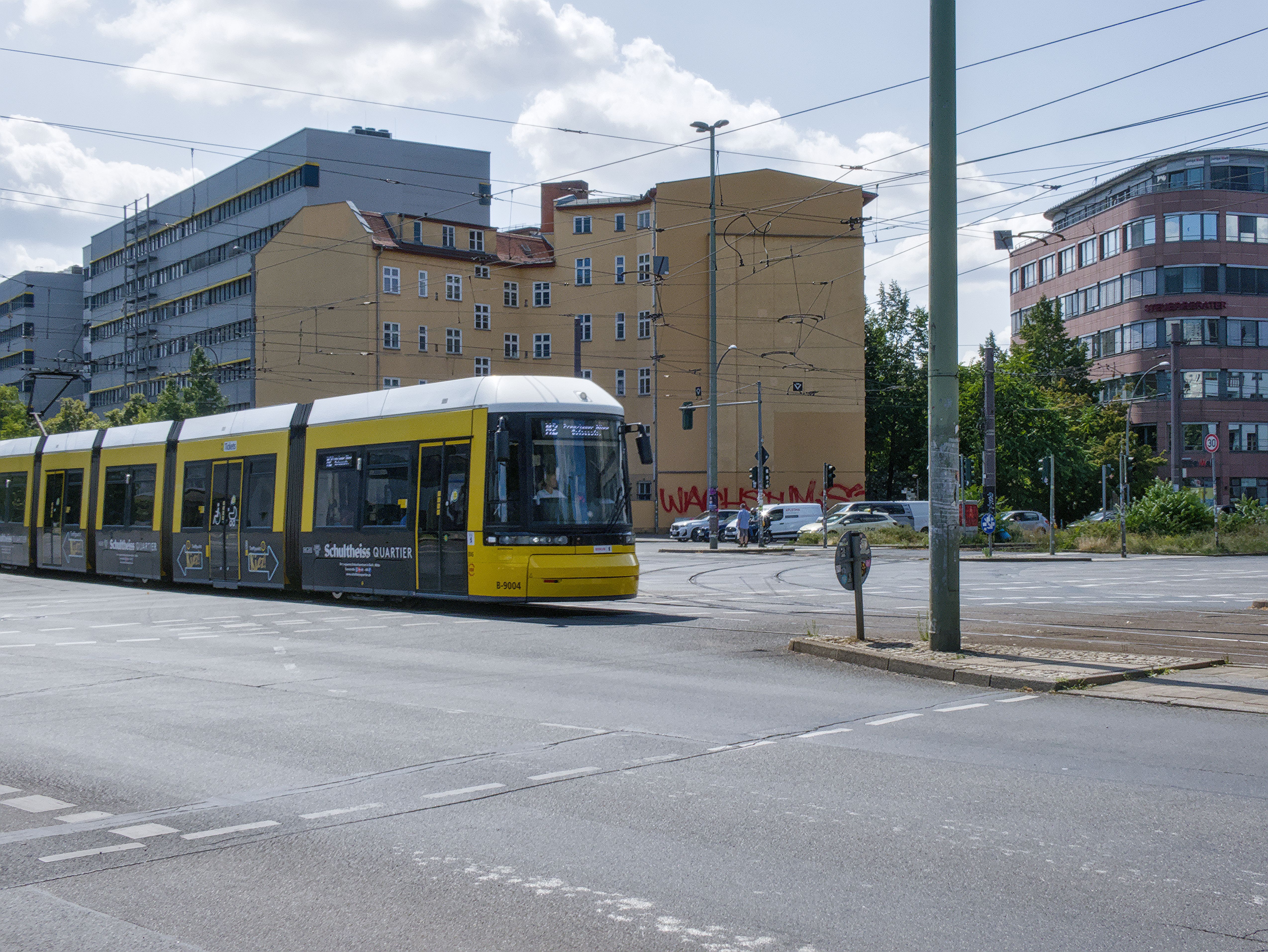
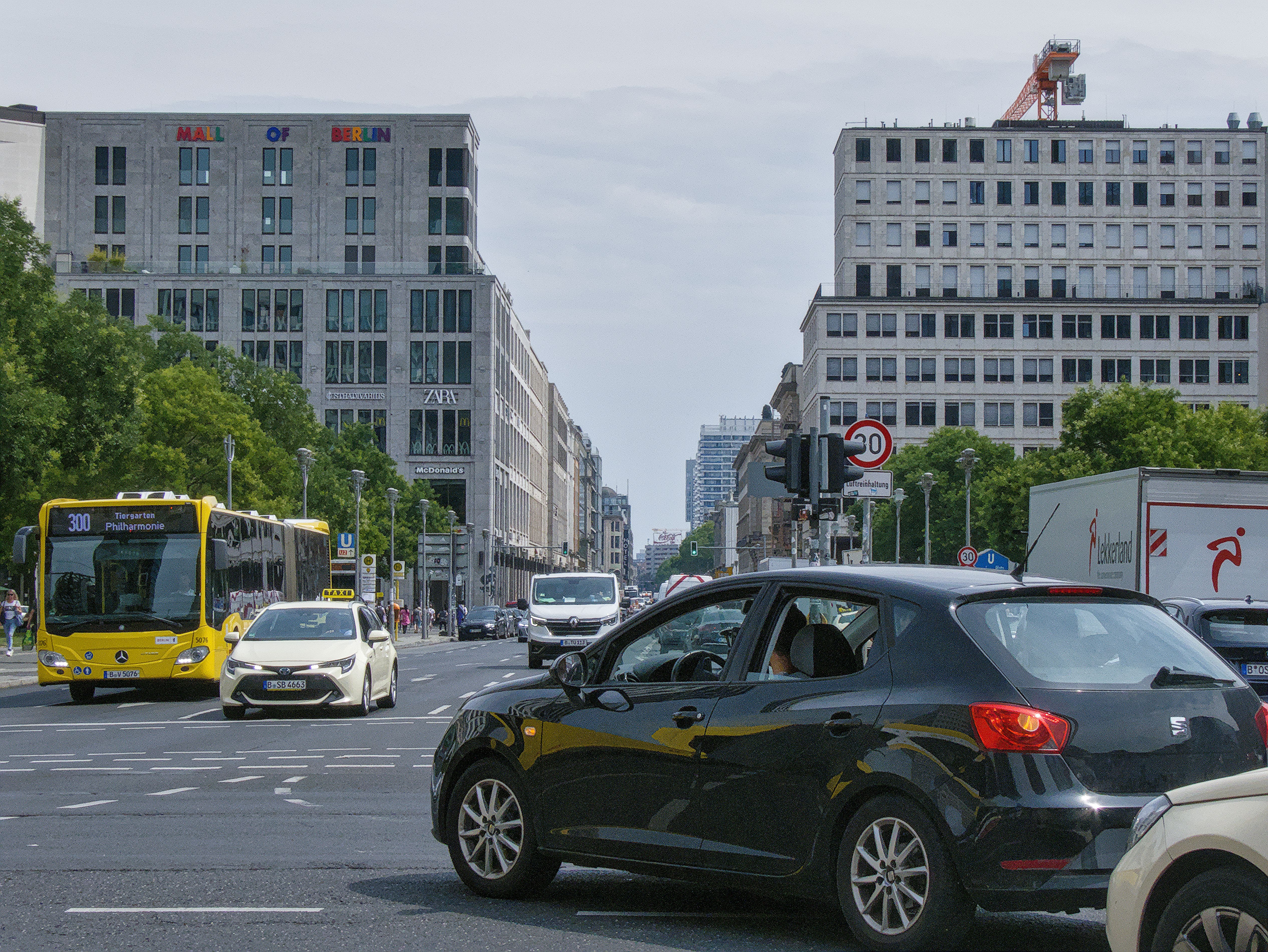
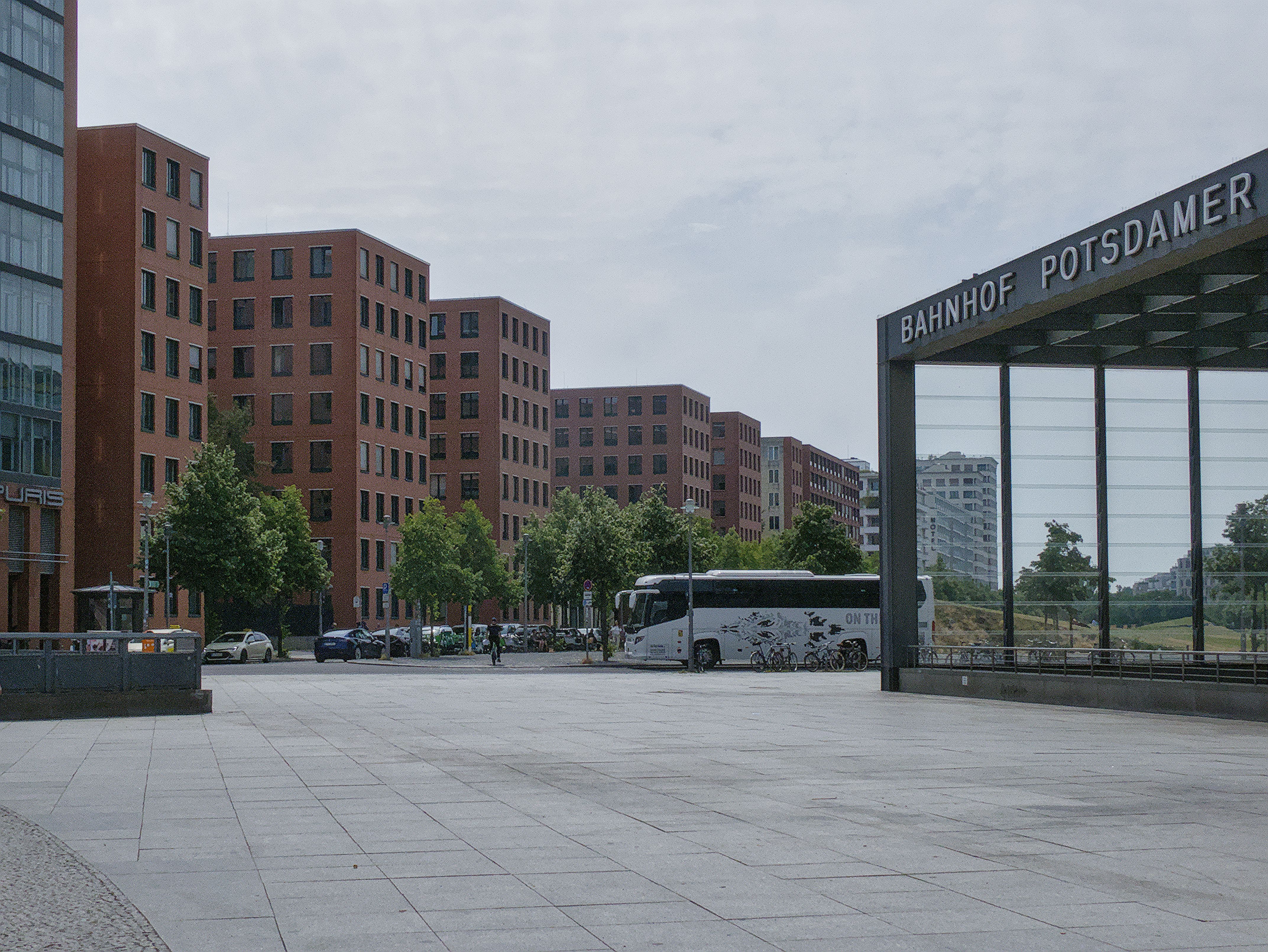
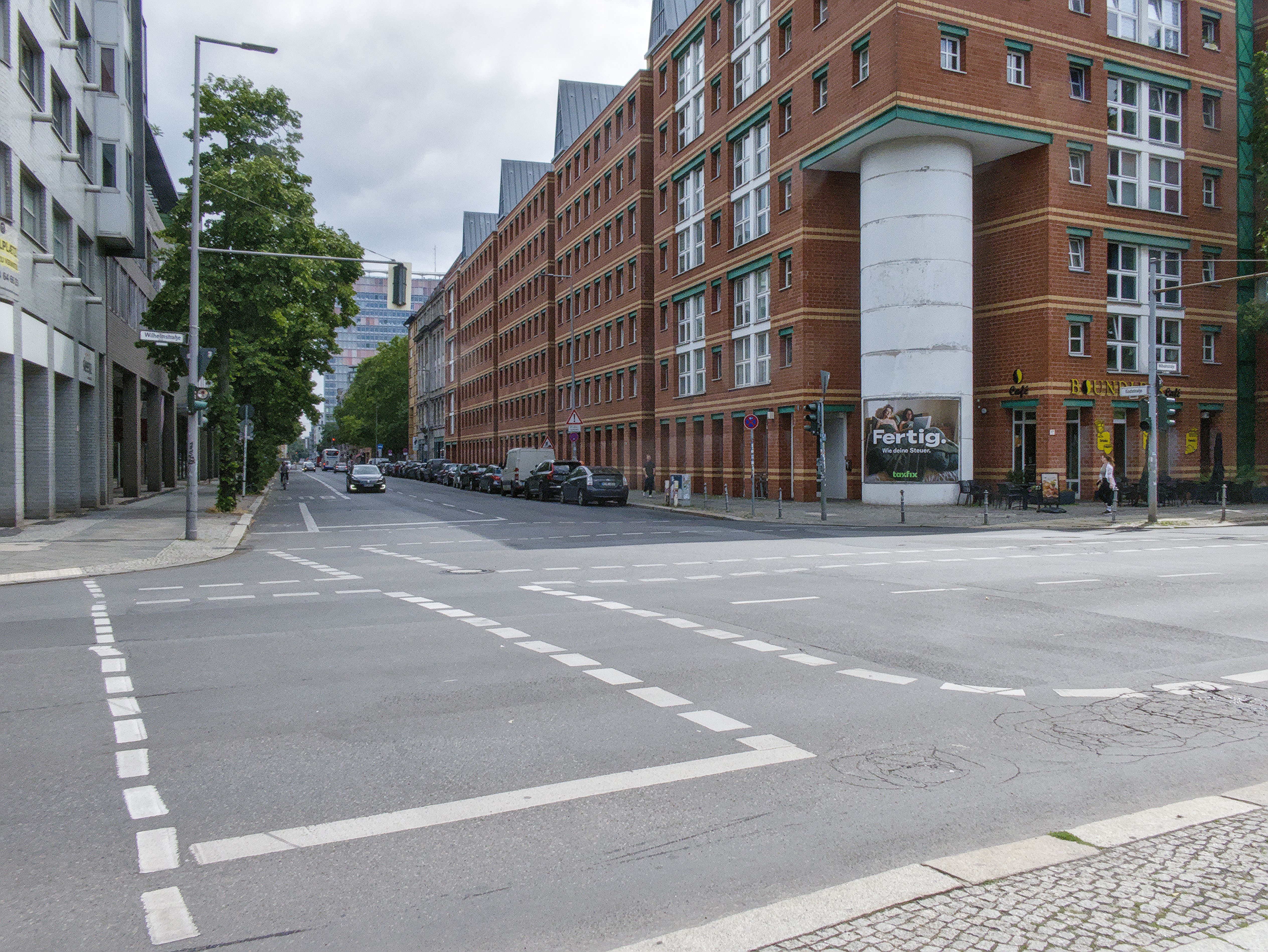
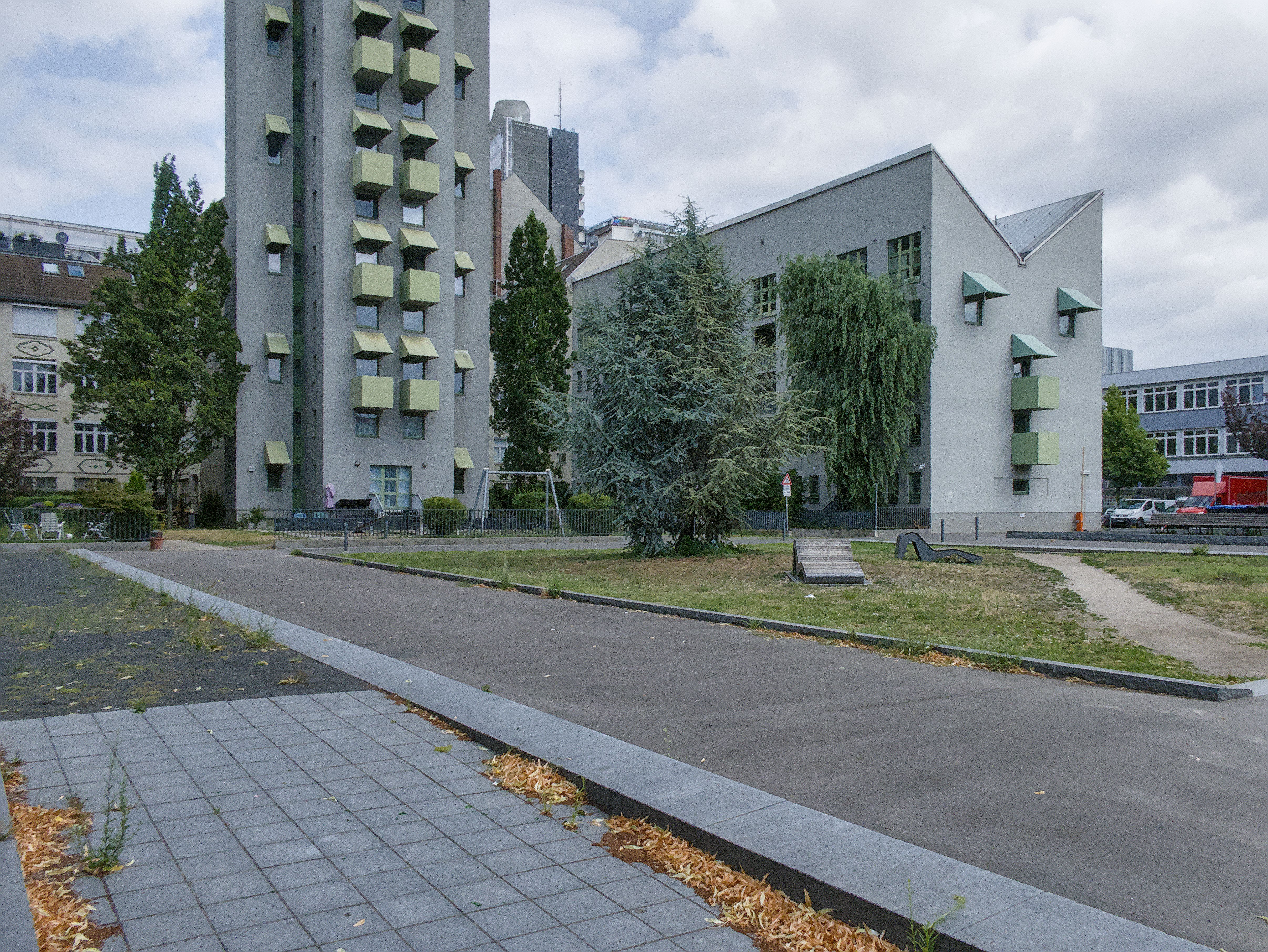
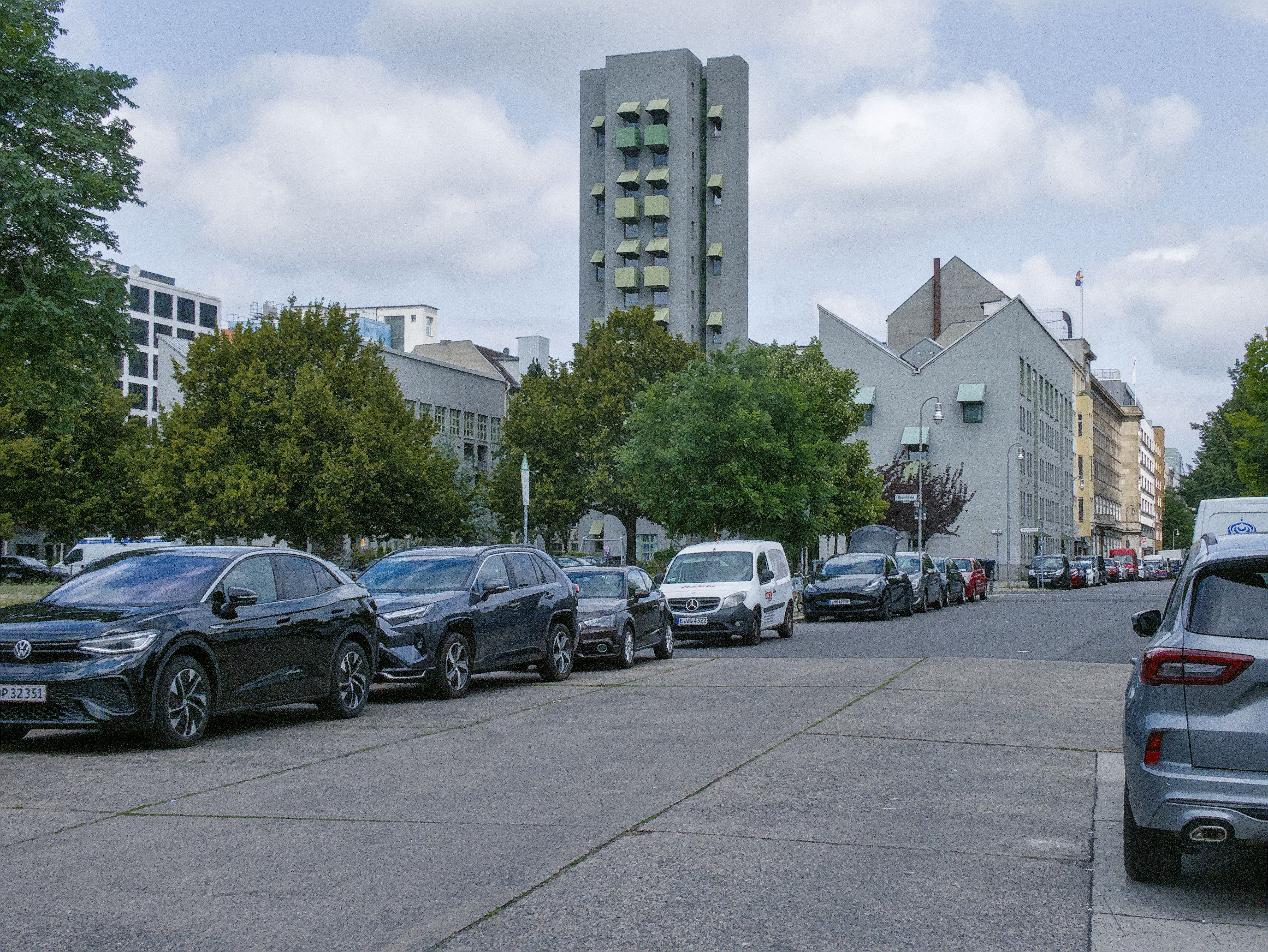
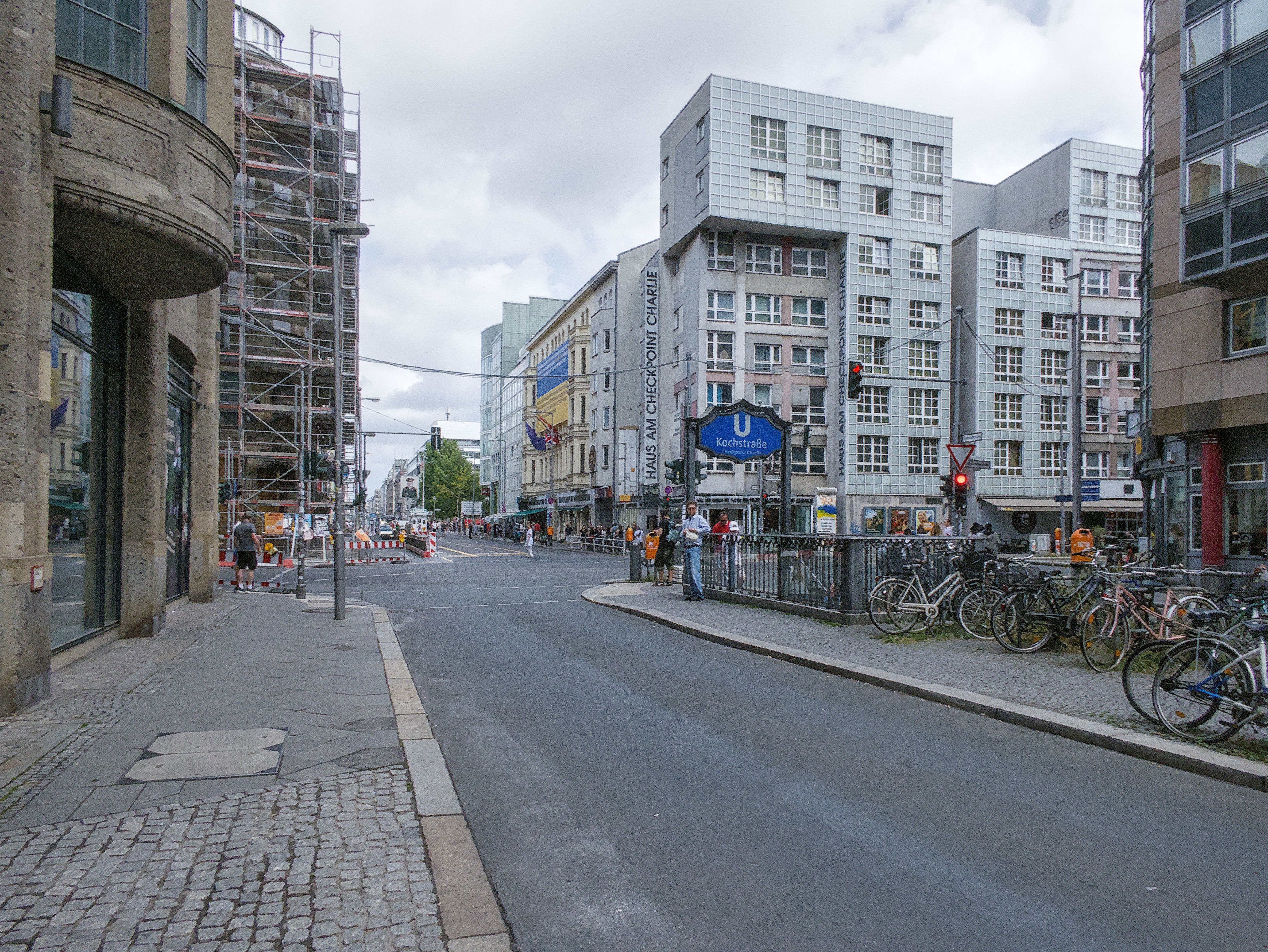
Foto's genomen te Berlijn, juli 2026.
Voetnoten
Pagina aangemaakt: 20 juli 2026
Laatste wijziging: 14 augustus 2026